how do diabetics get ketoacidosis Pin on diabetic food/info
Diabetic ketoacidosis (DKA) is a serious medical condition that can occur in individuals with diabetes. It is characterized by extremely high blood sugar levels, the presence of ketones in the urine, and acidic blood. Prompt treatment is crucial to prevent complications and potentially life-threatening situations.
Diabetic Ketoacidosis Treatments
When dealing with a patient experiencing diabetic ketoacidosis, healthcare professionals must follow a specific treatment protocol. Here are some of the common treatments used:
 Intravenous Fluids:
The first step in treating DKA is to restore hydration and electrolyte imbalance. This is achieved by administering intravenous fluids containing a balanced solution of electrolytes. The fluids help to rehydrate the body and correct any imbalances in sodium, potassium, and chloride levels.
Insulin Therapy:
Administration of insulin is essential in managing DKA. Regular insulin is typically given intravenously and must be closely monitored to achieve the desired blood glucose levels. Insulin therapy helps to lower blood sugar levels, reduce ketone production, and correct the acid-base imbalance.
Electrolyte Replacement:
During DKA, the body experiences an electrolyte imbalance due to the excessive loss of fluids through frequent urination. Potassium is the main electrolyte affected, and it is crucial to monitor and replace potassium levels as needed. This helps prevent complications such as cardiac arrhythmias, which can arise due to imbalances in potassium levels.
Correction of Acidosis:
The accumulation of ketones in the blood leads to an acidic environment, which can be life-threatening. Bicarbonate therapy may be administered in severe cases to correct the blood’s pH and restore a more alkaline state. However, the use of bicarbonate therapy is controversial and generally reserved for extreme cases.
Additionally, healthcare professionals will closely monitor vital signs, blood glucose levels, and electrolyte levels throughout the treatment process. Frequent blood tests are performed to assess the patient’s response to treatment and ensure that the appropriate adjustments are made.
Useful Nursing Mnemonics
Nursing mnemonics can be a helpful tool for healthcare professionals when it comes to memorizing important information and procedures. Here is one mnemonic related to diabetic ketoacidosis:
 Mnemonic: CARED KA
- C: Check blood sugar regularly
- A: Assess vital signs and mental status
- R: Restore fluids and electrolyte balance
- E: Educate patient on insulin administration
- D: Deliver insulin as prescribed
- K: Keep close watch on urine output and ketone levels
- A: Administer bicarbonate therapy if necessary
Using mnemonics can aid healthcare professionals in recalling essential steps to effectively manage diabetic ketoacidosis, leading to better patient outcomes.
In conclusion, diabetic ketoacidosis is a serious complication that requires immediate medical attention. Treatment involves a combination of intravenous fluids, insulin therapy, electrolyte replacement, and correction of acidosis. Healthcare professionals must closely monitor the patient’s vital signs and adjust treatment as needed. Mnemonics can be a useful tool in remembering the key steps involved in managing DKA. It is essential for healthcare providers to stay up to date with the latest guidelines and protocols to ensure the best possible care for patients experiencing diabetic ketoacidosis.
If you are looking for Why Do Type 2 Diabetics Not Get Ketoacidosis | DiabetesTalk.Net you’ve visit to the right page. We have 5 Pictures about Why Do Type 2 Diabetics Not Get Ketoacidosis | DiabetesTalk.Net like Why Do Type 2 Diabetics Not Get Ketoacidosis | DiabetesTalk.Net, Diabetes and Fruity Breath: Causes, Risks, And Treatment and also Pin on DIABETIC FOOD/INFO. Here you go:
Why Do Type 2 Diabetics Not Get Ketoacidosis | DiabetesTalk.Net
 diabetestalk.nettype diabetics diabetes diabetestalk insulin
Diabetes And Fruity Breath: Causes, Risks, And Treatment
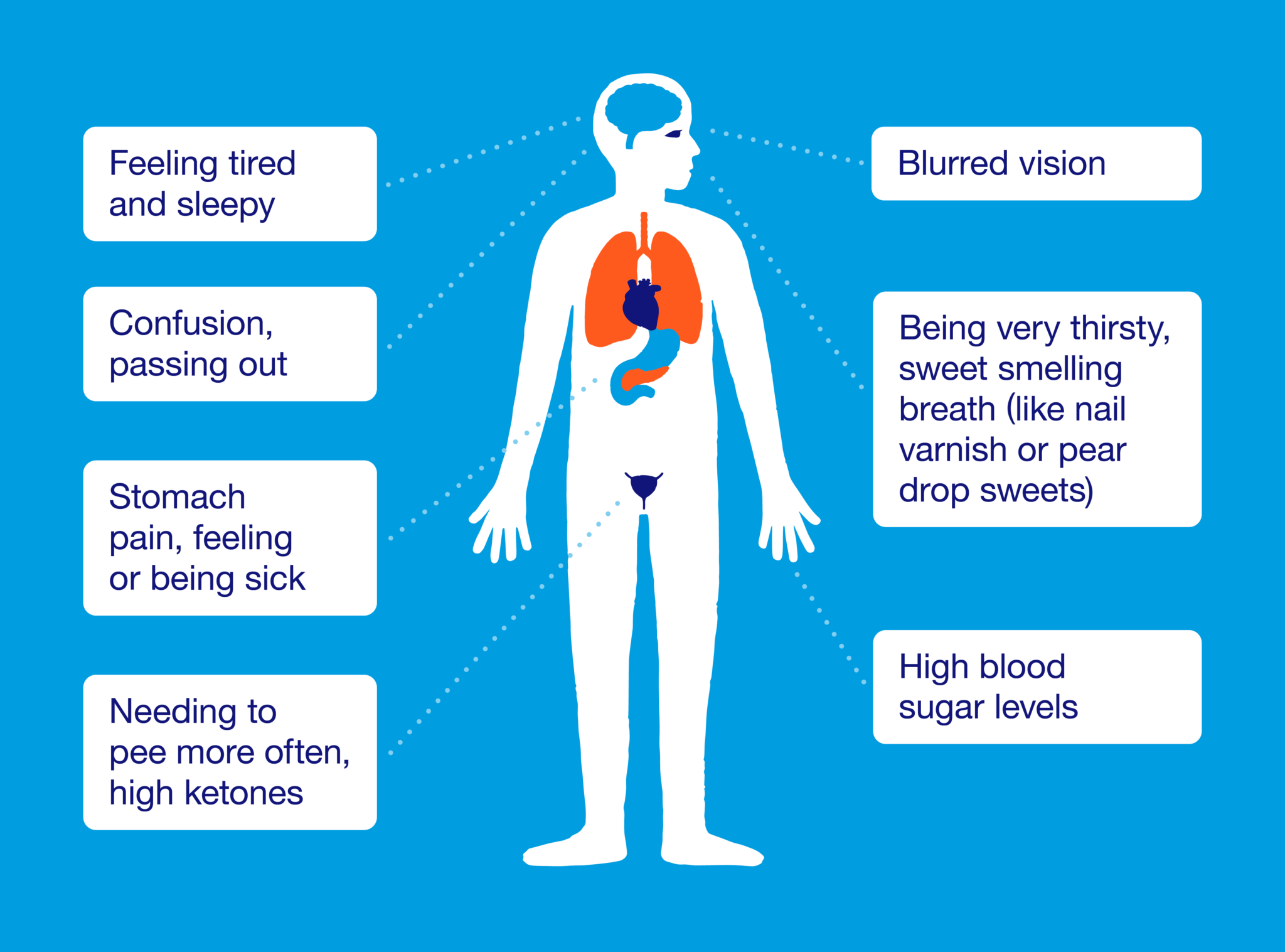 mantracare.orgketoacidosis diabetic dka breath treatment complications fruity ketosis symptome mellitus ketones urine mantracare anzeichen abdominal ursachen nausea difficulty remedies
Pin By Kimberly Smith On Random! | Nursing Mnemonics, Medical Surgical
www.pinterest.commnemonics ketoacidosis diabetic
Diabetic Exchange: Diabetic Ketoacidosis Treatments
diabeticexchange.blogspot.comketoacidosis diabetic dka diabetes nursing type treatment mechanism ketosis vs symptoms nurse ketogenic sepsis notes signs sugar cancer body memory
Pin On DIABETIC FOOD/INFO
 www.pinterest.comdiabetic ketoacidosis prevention fruity odor a1c symptoms pain icu
Diabetes and fruity breath: causes, risks, and treatment. Pin on diabetic food/info. Pin by kimberly smith on random!