how to dispose of lantern oil How to use an oil lantern
An oil lantern is a versatile and reliable source of light that has been used for centuries. Whether for a rustic camping trip or as a decorative piece in your home, an oil lantern can add a touch of old-world charm and warmth to any setting. In this article, we will guide you on how to safely and effectively use an oil lantern.
Understanding the Parts of an Oil Lantern
 An oil lantern consists of several key components, including the fuel chamber, wick, burner, and glass chimney. The fuel chamber is where you pour the oil, which is then drawn up through the wick to the burner. The burner is where the oil is burned, producing a steady flame. The glass chimney helps protect the flame from drafts and allows the light to illuminate a larger area.
Choosing the Right Type of Oil
It is important to use the right type of oil for your lantern to ensure optimal performance and safety. The most commonly used oil for oil lanterns is kerosene. Kerosene is highly flammable and produces a bright, long-lasting flame. It is readily available at most hardware stores and camping supply retailers.
 If you own an antique oil lantern, such as the ones dating back to 1910, it is advisable to use a high-quality lamp oil instead of kerosene. Lamp oil is cleaner, less smoky, and produces a more pleasant odor compared to kerosene. Additionally, using lamp oil can help preserve the authenticity and value of your antique lanterns.
Steps to Safely Use an Oil Lantern
1. Select a stable and flat surface for your lantern to prevent it from accidentally tipping over.
2. Carefully fill the fuel chamber with the appropriate oil, leaving a small space at the top to allow for expansion when the lantern is lit.
3. Adjust the wick to an appropriate height – too low, and the flame will be too dim; too high, and the flame will be too large and sooty.
4. Light the wick using a long-handled lighter or matchstick. Be cautious and avoid any contact between the flame and your fingers.
5. Once the flame is lit, adjust the glass chimney over the burner to protect the flame from wind or drafts. Ensure that the chimney is securely in place.
6. Enjoy the warm glow and soft light emitted by the oil lantern. Remember to never leave a lit lantern unattended and keep it away from flammable materials.
Using an oil lantern can be a delightful experience, bringing a sense of nostalgia and ambiance to your surroundings. Whether you are using it for practical purposes or as an ornamental piece, following these guidelines will help ensure a safe and enjoyable experience that will last for years to come.
If you are looking for How to Use an Oil Lantern - wikiHow you’ve visit to the right page. We have 5 Pics about How to Use an Oil Lantern - wikiHow like How to Dispose of Lamp Oil | 15 Effective Ways (2023), How to Use an Oil Lantern - wikiHow and also I have two oil lanterns date 1910 pend,, I am looking for a value and. Read more:
How To Use An Oil Lantern - WikiHow
www.wikihow.comHow To Dispose Of Lamp Oil | 15 Effective Ways (2023)
 lightow.comHow To Dispose Of Lamp Oil | Guider Home
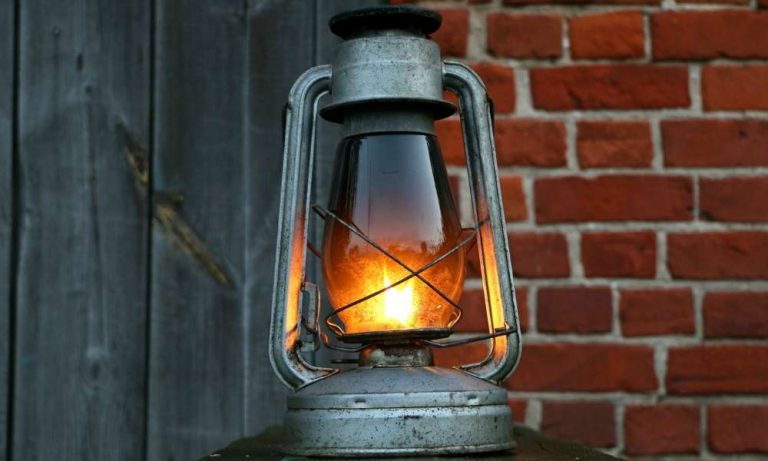 guiderhome.comI Have Two Oil Lanterns Date 1910 Pend,, I Am Looking For A Value And
www.justanswer.comoil lantern pend lanterns 1910 date looking two pat triplex am replied ago years customer
How To Safely Dispose Of Lamp Oil - Healthy Handyman
 healthyhandyman.comdispose zechariah bijbelcitaat musing disposal safely dagelijks virgins lamps
How to dispose of lamp oil. Oil lantern pend lanterns 1910 date looking two pat triplex am replied ago years customer. How to dispose of lamp oil